

Research
- +6
Milan Vaishnav, Sameer Lalwani, Tanvi Madan, …
{
  "authors": [
    "Milan Vaishnav"
  ],
  "type": "commentary",
  "blog": "Emissary",
  "centerAffiliationAll": "dc",
  "centers": [
    "Carnegie Endowment for International Peace"
  ],
  "collections": [],
  "englishNewsletterAll": "ctw",
  "nonEnglishNewsletterAll": "",
  "primaryCenter": "Carnegie Endowment for International Peace",
  "programAffiliation": "SAP",
  "programs": [
    "South Asia"
  ],
  "projects": [],
  "regions": [
    "South Asia",
    "India"
  ],
  "topics": [
    "Democracy"
  ]
}
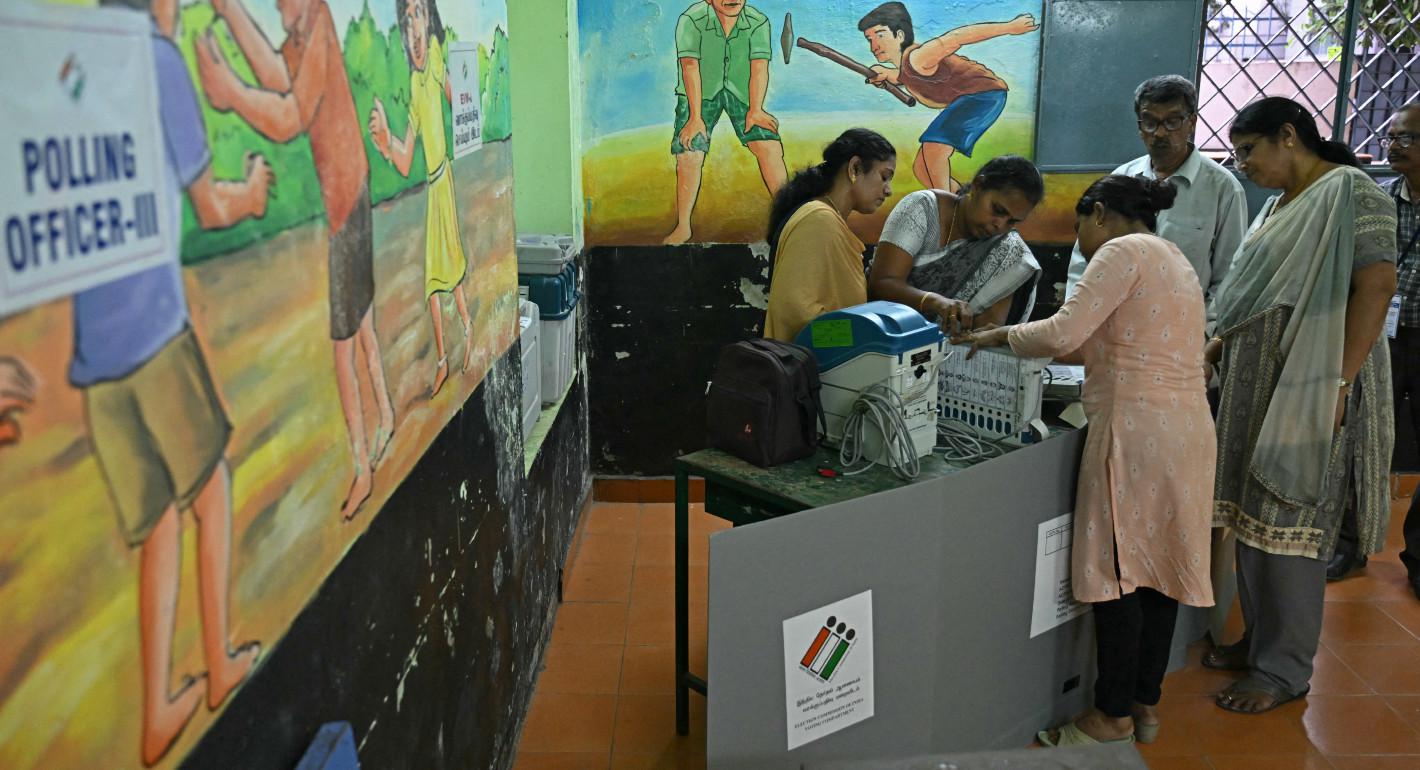
Source: Getty
Modi and the BJP face an opposition coalition that has struggled with defections and other setbacks.
Between April 19 and June 1, nearly 970 million Indians will be eligible to cast their votes in the largest democratic exercise in history. Over forty-four sweltering days, the country will vote in seven sequential phases to select 543 new members of the lower house of India’s Parliament. The election will also determine whether incumbent Prime Minister Narendra Modi of the ruling Bharatiya Janata Party (BJP) will be elected to serve a third consecutive term—a feat matched only by India’s inaugural prime minister, Jawaharlal Nehru.
The BJP enters this election in pole position. Every single pre-election survey suggests that the BJP’s electoral coalition—the National Democratic Alliance (NDA)—will win a majority of parliamentary seats, with the BJP itself setting an ambitious target of 400 seats for the alliance. The opposition, in contrast, enters this election facing significant challenges.
In July 2023, more than three dozen opposition parties agreed to contest the general election under the aegis of the Indian National Developmental Inclusive Alliance in an effort to keep the BJP out of power. But over the past nine months, the alliance has faced repeated setbacks. One of its key constituents, the Trinamool Congress (which rules the state of West Bengal) announced plans to contest that electorally pivotal state on its own. Another central member of the bloc, the Janata Dal (United) in Bihar, also exited—casting its lot with the NDA instead. Ahead of the elections, central investigative agencies arrested and jailed not one but two opposition chief ministers. The Congress Party, the BJP’s only pan-India rival and the largest member of the alliance, has seen its bank accounts frozen by federal authorities over an income tax dispute. These developments have prompted veteran observers to argue that the electoral playing field is heavily tilted in favor of the incumbent.
The BJP has campaigned on the back of its government’s welfare record, pro-Hindu bona fides, national security credentials, and Modi’s charismatic leadership. The opposition, out of power for a decade now, has doubled down on the issue of systemic inequality. If brought to power, it promises a nationwide caste census and a renewed emphasis on economic redistribution. It has also exploited a recent Supreme Court ruling striking down an opaque election funding instrument instituted by the Modi government in 2018 to tar the ruling party as elitist and a pawn of business interests.
The suspense over who will form the next government will end on June 4, when all ballots are counted. As voting gets underway, Modi is telegraphing supreme confidence: he has already instructed top bureaucrats to start preparing a 100-day roadmap to guide his third term.
Read more on India’s 2024 election, including:

Director and Senior Fellow, South Asia Program
Milan Vaishnav is a senior fellow and director of the South Asia Program and the host of the Grand Tamasha podcast at the Carnegie Endowment for International Peace. His primary research focus is the political economy of India, and he examines issues such as corruption and governance, state capacity, distributive politics, and electoral behavior. He also conducts research on the Indian diaspora.
Recent Work


Milan Vaishnav, Sameer Lalwani, Tanvi Madan, …
Sumitra Badrinathan, Devesh Kapur, Andy Robaina, …
Carnegie does not take institutional positions on public policy issues; the views represented herein are those of the author(s) and do not necessarily reflect the views of Carnegie, its staff, or its trustees.
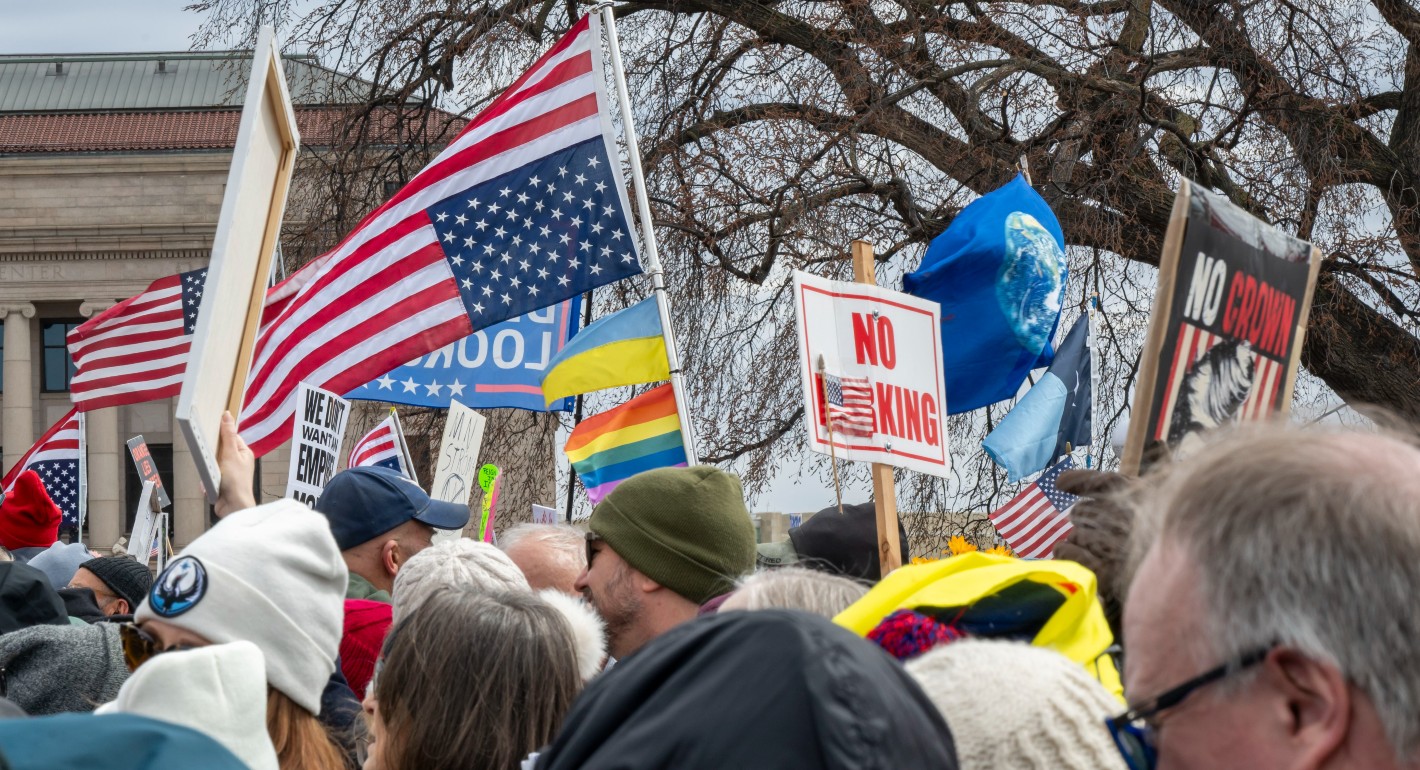
Lessons from other backsliding democracies show that mass mobilization needs to feed into an electoral strategy.

Saskia Brechenmacher, Shreya Joshi
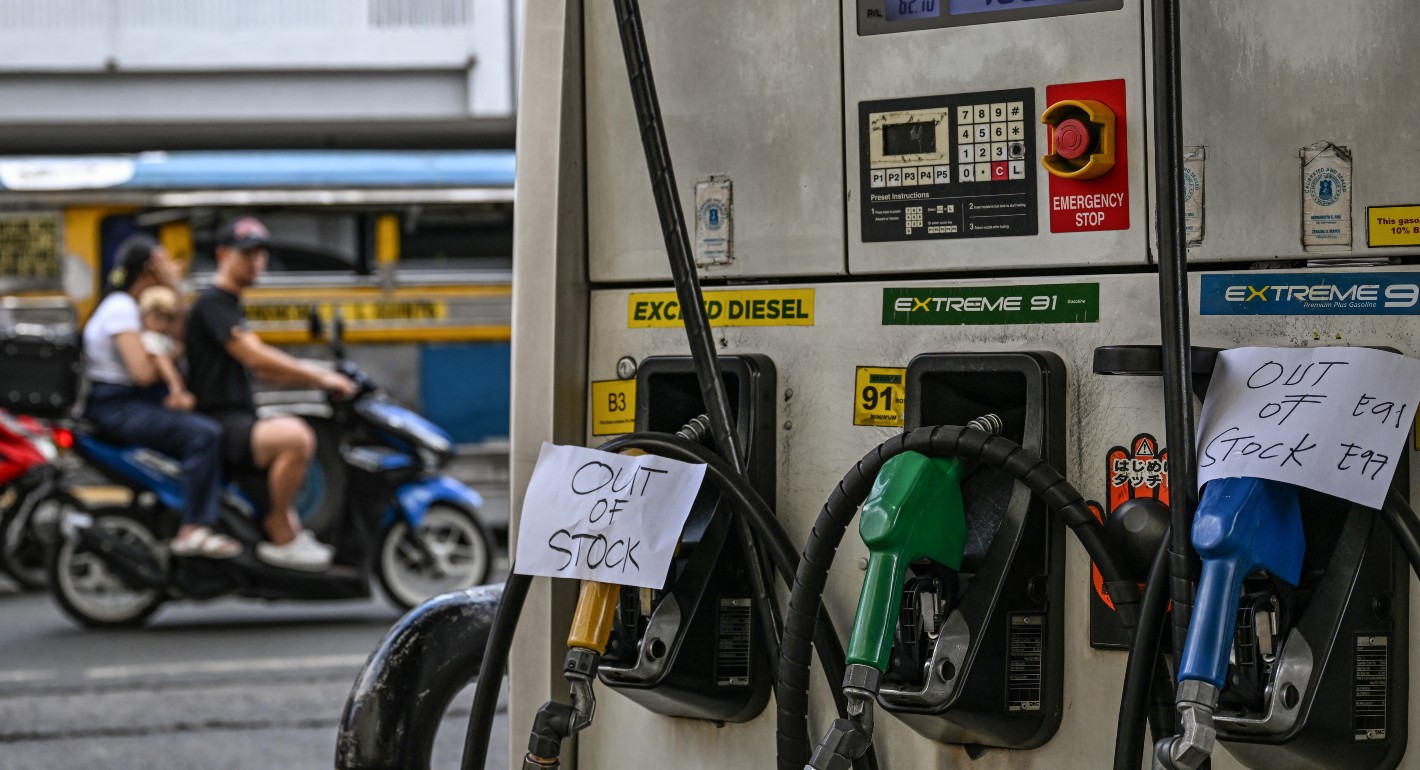
The United States ignores the region’s lived experience—and the tough political and social trade-offs the war has produced—at its peril.

Evan A. Feigenbaum
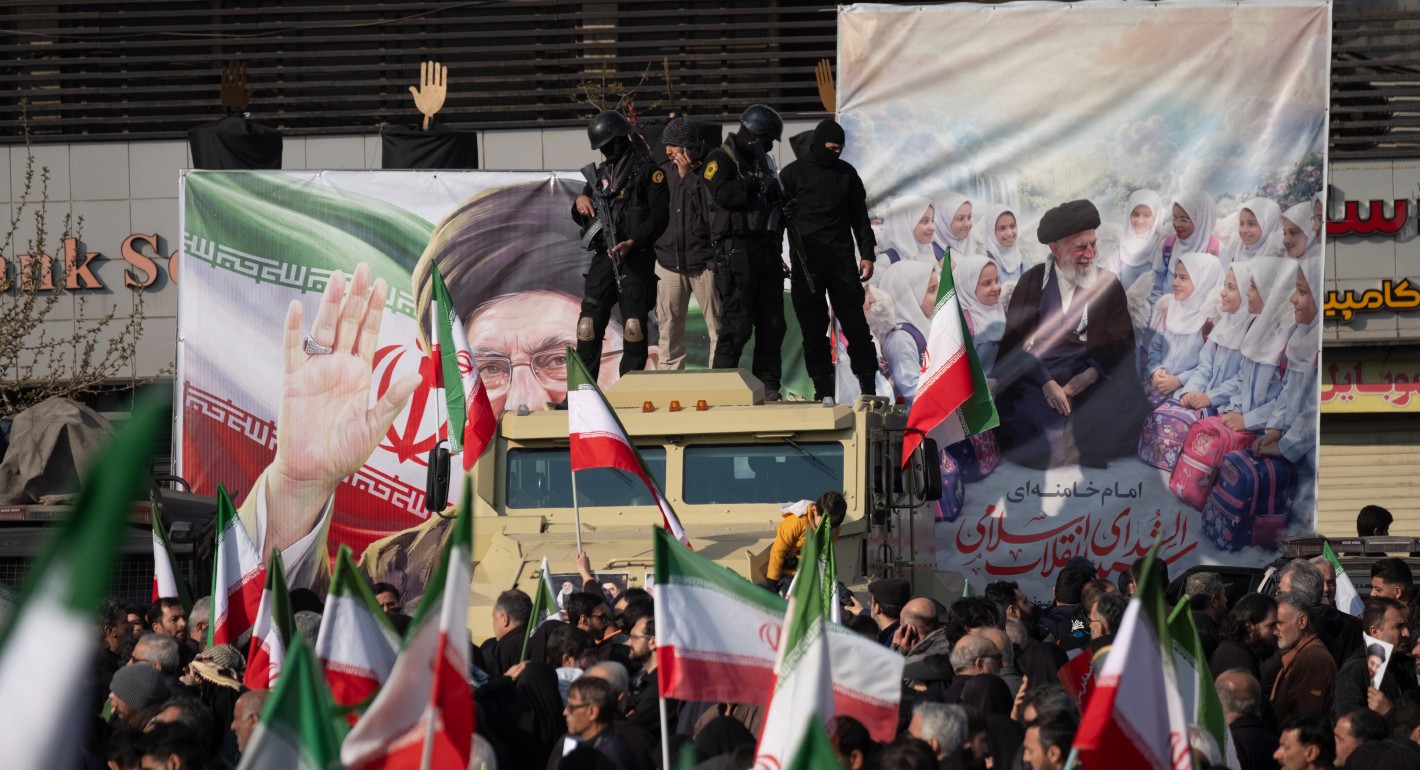
The recent record of citizen uprisings in autocracies spells caution for the hope that a new wave of Iranian protests may break the regime’s hold on power.


Thomas Carothers, McKenzie Carrier
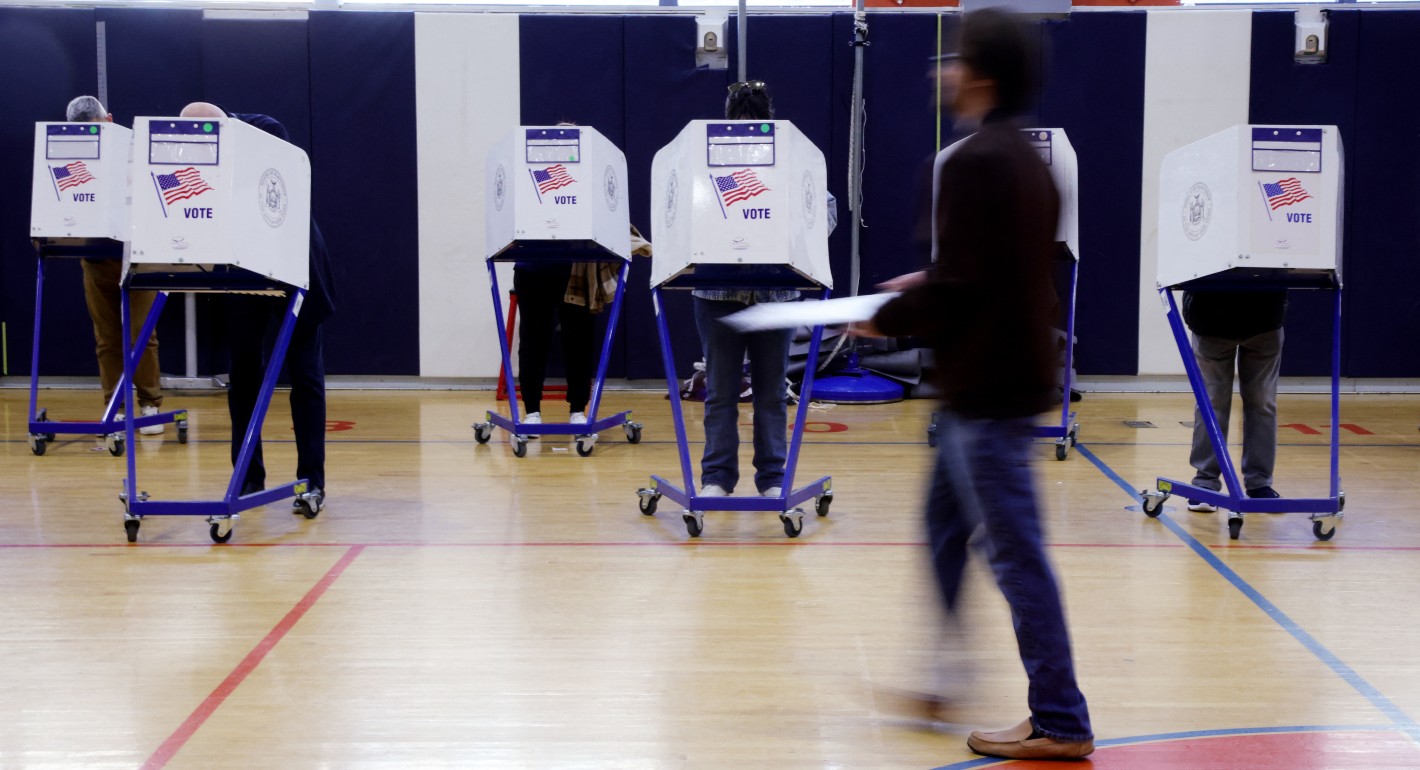
New data from the 2026 Indian American Attitudes Survey show that Democratic support has not fully rebounded from 2020.
Sumitra Badrinathan, Devesh Kapur, Andy Robaina, …
Lessons from Korea’s political right.

Darcie Draudt-Véjares