

Commentary
Jake Walles
{
  "authors": [
    "Jake Walles"
  ],
  "type": "commentary",
  "blog": "Diwan",
  "centerAffiliationAll": "dc",
  "centers": [
    "Carnegie Endowment for International Peace",
    "Malcolm H. Kerr Carnegie Middle East Center"
  ],
  "collections": [],
  "englishNewsletterAll": "menaTransitions",
  "nonEnglishNewsletterAll": "",
  "primaryCenter": "Malcolm H. Kerr Carnegie Middle East Center",
  "programAffiliation": "MEP",
  "programs": [
    "Middle East"
  ],
  "projects": [],
  "regions": [
    "North America",
    "United States",
    "Middle East",
    "Israel",
    "Saudi Arabia",
    "Gulf",
    "Palestine"
  ],
  "topics": [
    "Political Reform"
  ]
}
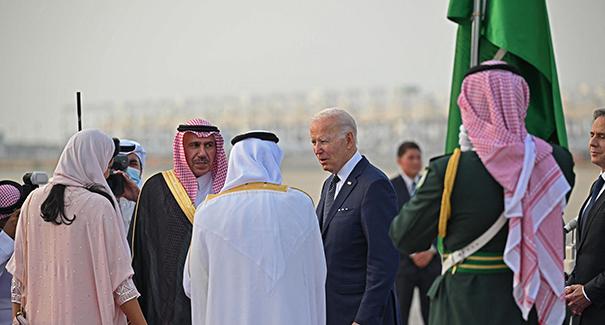
Source: Getty
Can Washington wrangle a deal?
Israeli Prime Minister Benjamin Netanyahu returned to power at the start of 2023 vowing to concentrate on two foreign policy objectives: preventing Iran from acquiring a nuclear weapon and normalizing Israel’s relations with Saudi Arabia. But since the beginning of his term, his attention has been diverted to domestic matters, notably efforts by extremist elements of his governing coalition to press ahead with legislation—that he initially endorsed but has since partly backed away from—that would limit the power of the judiciary.
These proposed “judicial reforms” provoked unprecedented popular protests that effectively shut down the country until Netanyahu declared a pause in the reform effort and agreed to talks to find a compromise solution. In addition, far-right parties within his coalition pushed their agenda to expand Israeli Jewish settlements in the West Bank and apply even greater pressure on the struggling Palestinian Authority, leading to heightened tensions in the West Bank and Jerusalem, and a brief clash with Islamic Jihad in Gaza.
But while Israel was preoccupied with internal disputes, the region continued to evolve in unexpected ways. Saudi Arabia and Iran agreed, with the help of Chinese mediation, to reopen embassies in their respective capitals and to take additional steps to lower tensions. Also, press reports suggested that the United States and Iran were engaged in indirect talks to address issues related to Iran’s nuclear program and other points of friction. Separately, Saudi Arabia and the United States were reportedly discussing the possibility of Saudi normalization with Israel as an added dividend of the Abraham Accords. And across the region, rivals Turkey and Egypt, the United Arab Emirates and Qatar, and Egypt and Iran took steps to end their longstanding disputes.
The significance of these developments is as yet unclear. But the interplay of events suggests a growing and central role for Saudi Arabia in regional politics, and a disjuncture in Israel between competing domestic and foreign priorities.
Saudi Arabia has long played an important role in the international economy due to its vast energy resources and leadership position in the Organization of Petroleum Exporting Countries. But when it came to regional politics, Saudi Arabia historically sought to formulate its policies within the framework of “Arab consensus” and under the security umbrella of the United States. This meant that Saudi Arabia was more of a follower than a leader in that arena.
Saudi thinking began to change in the past decade, as Crown Prince Mohamed Bin Salman (MBS) took charge. With MBS at the helm, Saudi Arabia became more assertive on foreign policy issues and less beholden to the United States. Moreover, relations with the United States soured over the murder of Jamal Khashoggi and Saudi perceptions of a weak American response to the Yemeni Houthi rebel attacks on Saudi Aramco’s oil facilites. This reinforced MBS’ inclination to explore other options for his country’s international relations and security, including a closer relationship with China, Saudi Arabia’s largest customer for oil exports. While the United States remains a key partner for Saudi Arabia, especially on Gulf security matters, MBS seemed to be looking to strike a more balanced posture for Saudi foreign policy.
As part of MBS’ willingness to explore new options, Saudi officials have also indicated an openness to normalization with Israel, albeit under certain conditions. On this issue, Saudi assertiveness coincided with U.S. interests, and President Joseph Biden’s administration jumped at the opportunity to repair relations with Saudi Arabia, expand Israel’s acceptance in the region, and push back against Chinese influence. Over the past two months, the United States has launched a series of high-level contacts to advance these objectives, including visits to Saudi Arabia by National Security Advisor Jake Sullivan and Secretary of State Antony Blinken. According to press accounts, Saudi conditions for normalization with Israel include NATO-like security guarantees from the United States, access to advanced American weapons systems, approval for the acquisition of civilian nuclear technology, and an Israeli commitment to a process leading to a two-state solution with the Palestinians. While this list of requests sounds quite expansive, the key point is that the parties appear to be haggling over the price of normalization, not questioning the wisdom of such a deal.
Meanwhile, in an Israel consumed with its internal problems, the country’s foreign policy seems to have adopted the old Saudi approach of following rather than leading. On Netanyahu’s top two foreign policy priorities, Israel sits on the sidelines as the United States negotiates directly with Saudi Arabia about normalization and indirectly with Iran about nuclear issues.
Netanyahu’s difficult relationship with Biden looms over all this diplomacy. The United States has continued to speak out loudly about Israeli practices in the West Bank, especially settlement activities and the importance of preserving the long-term objective of a two-state solution, however fanciful a notion this has come to seem. The aggressive drive for “judicial reform” by far-right members of Netanyahu’s governing coalition has also led to vocal pushback from the administration and large parts of the U.S. Jewish community. This growing rift with Israel has led Biden to withhold an invitation to Netanyahu to visit Washington—an extraordinary development, given the historically very close U.S.-Israeli alliance.
In response, Netanyahu has been cautious, even muting his opposition to a potential new agreement between the United States and Iran. He has emphasized that such a deal would not bind Israel but has avoided the full-throated opposition that marked his approach to the original nuclear deal negotiated by U.S. President Barack Obama in 2015. However, navigating the country’s foreign and domestic challenges will prove difficult for Netanyahu, given the composition of his rightwing coalition. Extremists within the government continue to drive the domestic agenda, leaving Netanyahu in an uncomfortable position, one in which the policies pushed by his coalition partners undermine progress toward his foreign policy objectives and complicate relations with the United States. Indeed, American officials have reportedly emphasized to their Israeli counterparts that current Israeli practices in the West Bank and Jerusalem will undermine normalization efforts with Saudi Arabia. While this tension between domestic and foreign policies is not unprecedented in Israel, never before has the government been so extreme and the far-right parties in the coalition so determined to push their agenda regardless of the external costs.
The ongoing discussion about Saudi-Israeli normalization is perhaps the key issue to watch as events unfold. If normalization goes ahead, it will reinforce the centrality of Saudi Arabia’s more activist role in the region, cement Israel’s acceptance by the Arab world, and bolster America’s presence in the region at the expense of a rising China. Perhaps that is why the Biden administration has decided to devote so much effort to achieving a breakthrough on this front. But with Netanyahu trapped in a coalition government whose far-right elements are complicating his attempts to balance domestic and foreign priorities, the task for Biden and his team will prove a difficult one.

Former Nonresident Senior Fellow, Middle East Program
Jake Walles was a nonresident senior fellow in the Middle East Program at the Carnegie Endowment for International Peace, where he focuses on Israeli-Palestinian issues, Tunisia, and counterterrorism.
Recent Work
Jake Walles
Jake Walles
Carnegie does not take institutional positions on public policy issues; the views represented herein are those of the author(s) and do not necessarily reflect the views of Carnegie, its staff, or its trustees.
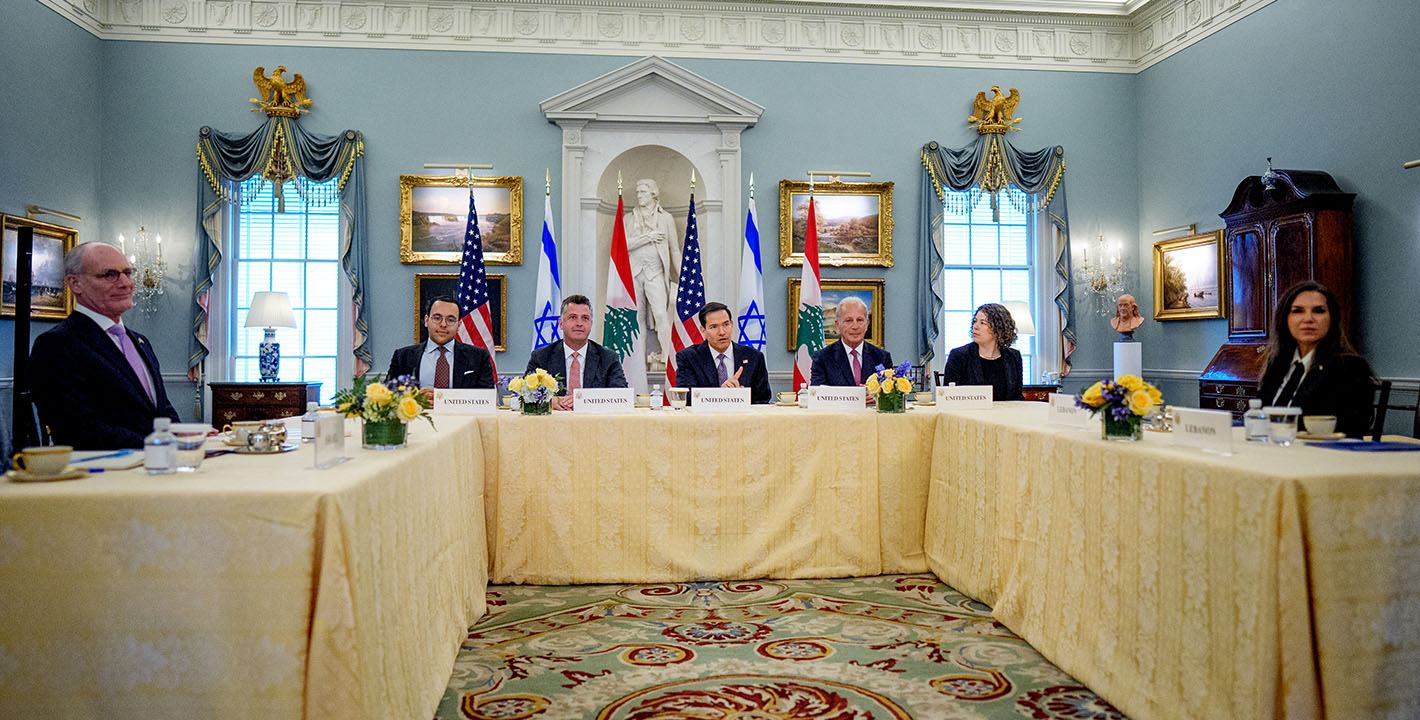
Beirut’s desire to break free from Iranian hegemony may push it into a situation where it has to accept Israel’s hegemony.

Michael Young
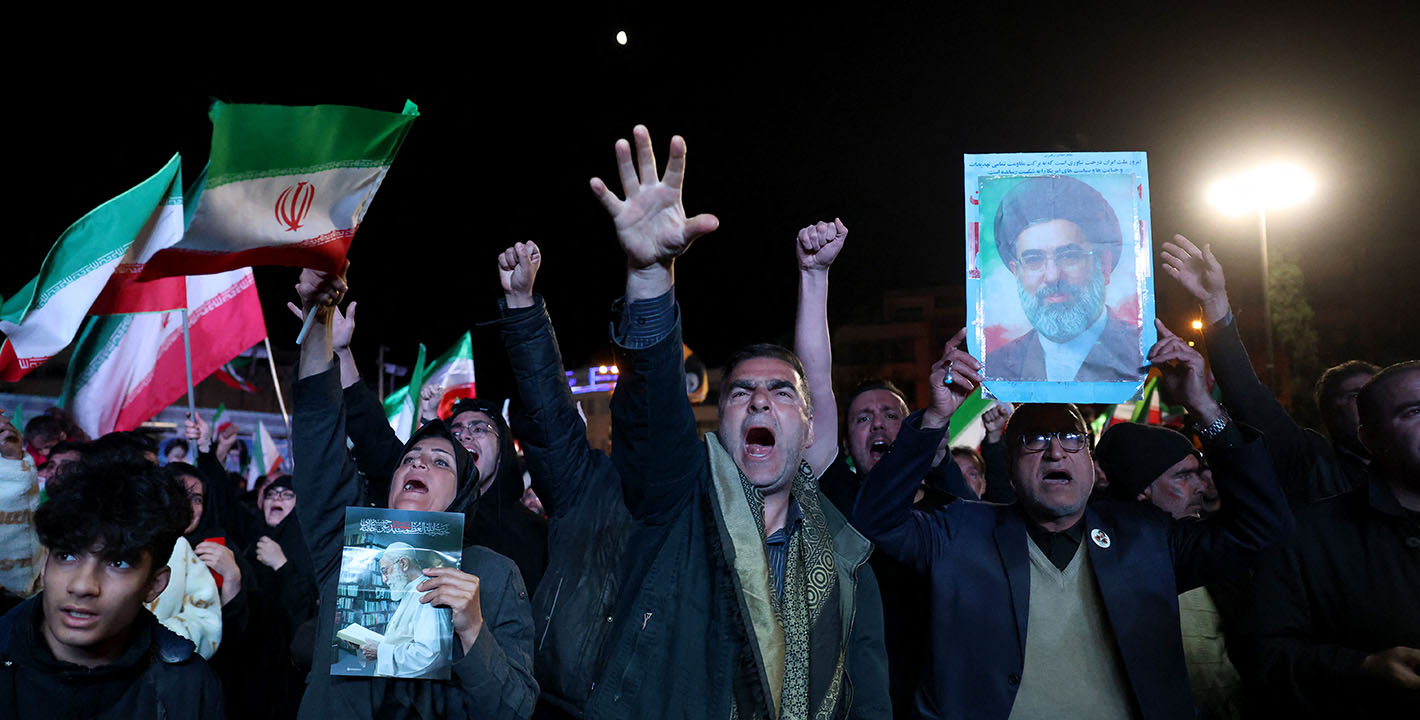
Spot analysis from Carnegie scholars on events relating to the Middle East and North Africa.
Michael Young
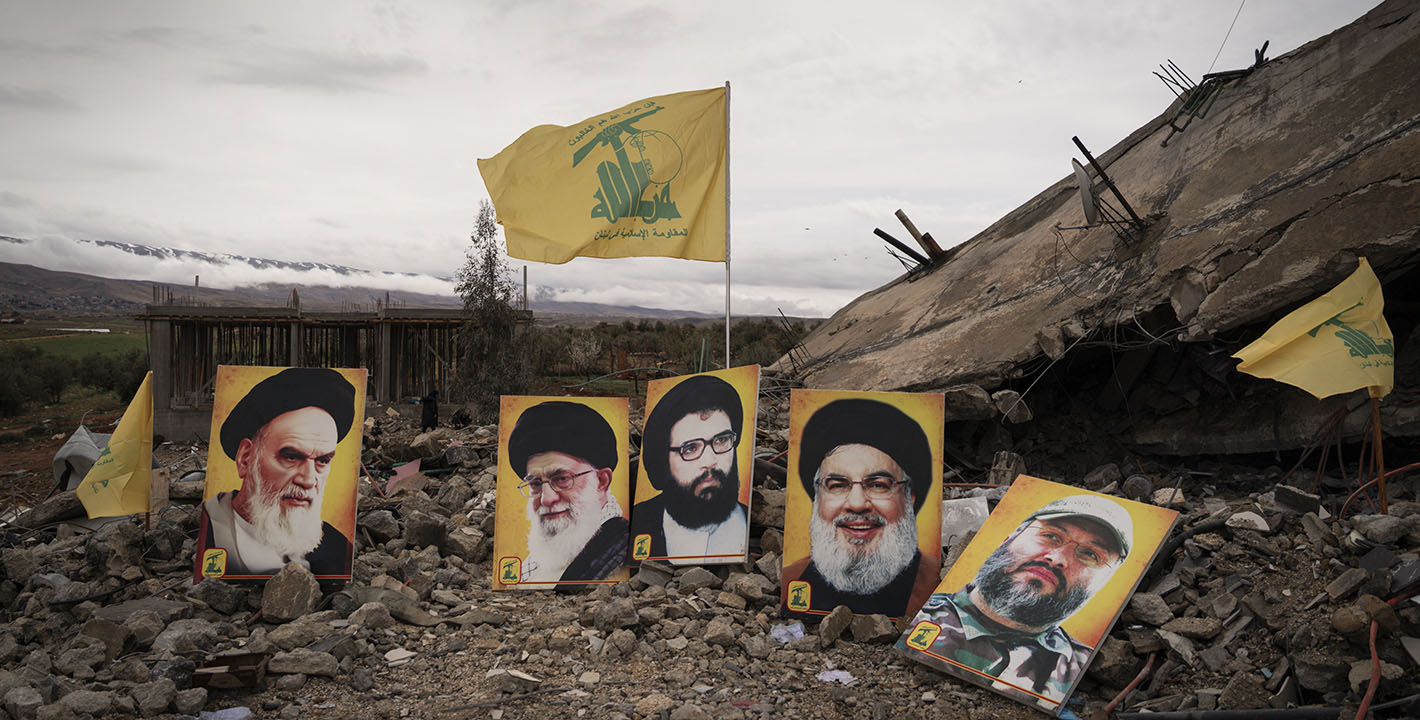
The party’s objectives involve tying together the Lebanese and Iranian fronts, while surviving militarily and politically at home.
Mohamad Fawaz
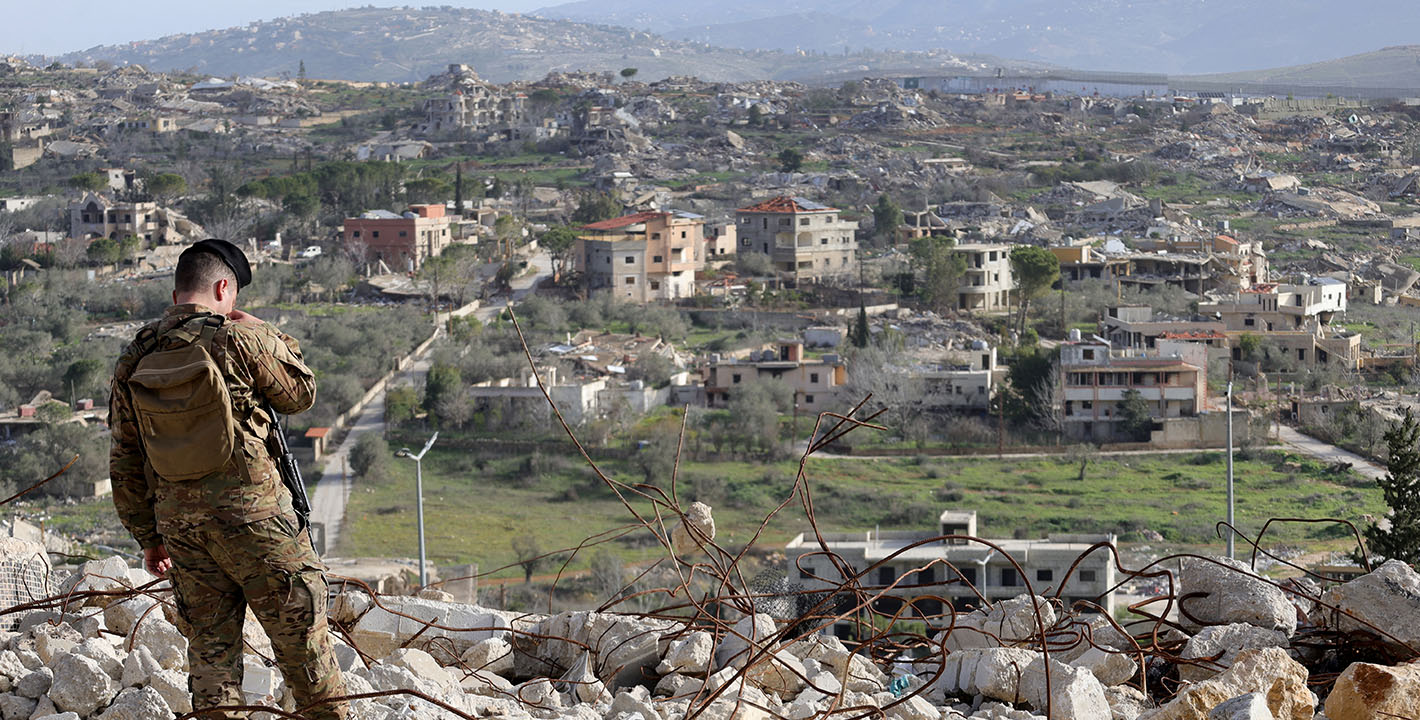
While armed forces commander Rudolph Haykal’s caution is understandable, he is in a position to act, and must.
Michael Young
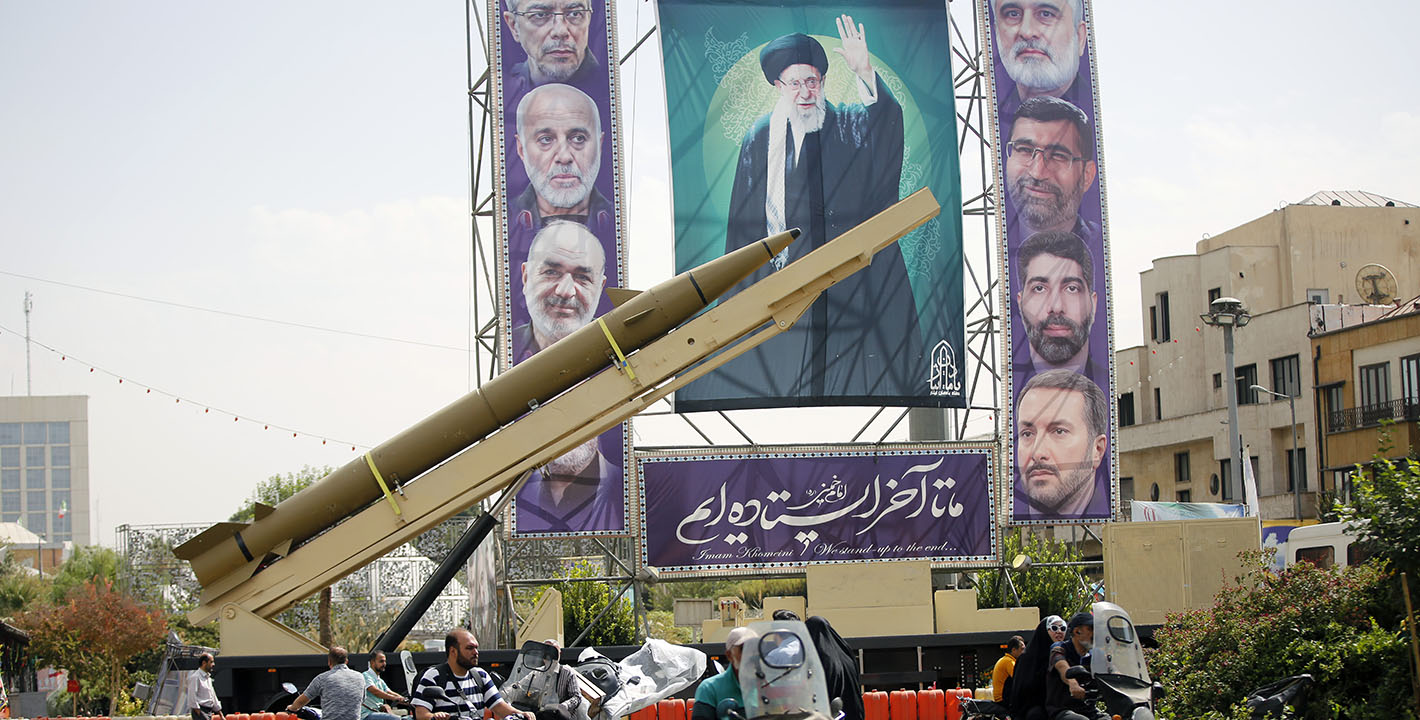
In an interview, Hamidreza Azizi discusses how Tehran has adapted in real time to the conflict with the United States and Israel.
Michael Young